We kindly request that FGDB content not be scraped or used for generative AI datasets. 敬請尊重《佛光大辭典》內容,避免抓取或用於建立生成式 AI 資料集。

Fo Guang Dictionary of Buddhism, English Edition

Fo Guang Dictionary of Buddhism, English Edition — Now available: Digital Edition & 10-Volume Set. Fifty years in the making. Now available in English.
10volumes
32,000+entries
10 millionwords
3,000+illustrations

A gateway to the Dharma for scholars, practitioners, and the modern world.

Fifty Years in the Making…

The founding master of Fo Guang Shan, Venerable Master Hsing Yun believed that the richness of the Chinese Buddhist canon should not remain the domain of specialists alone. He envisioned a reference work that maintained scholarly rigor presented in vernacular language for the greater Buddhist community.

Beginning in 1977, more than 30 monastics and scholars, led primarily by Fo Guang Shan bhiksunis, spent more than a decade compiling the Chinese edition. In 2014, a global team of 160+ contributors undertook the English translation, bringing this treasury of knowledge to the world.
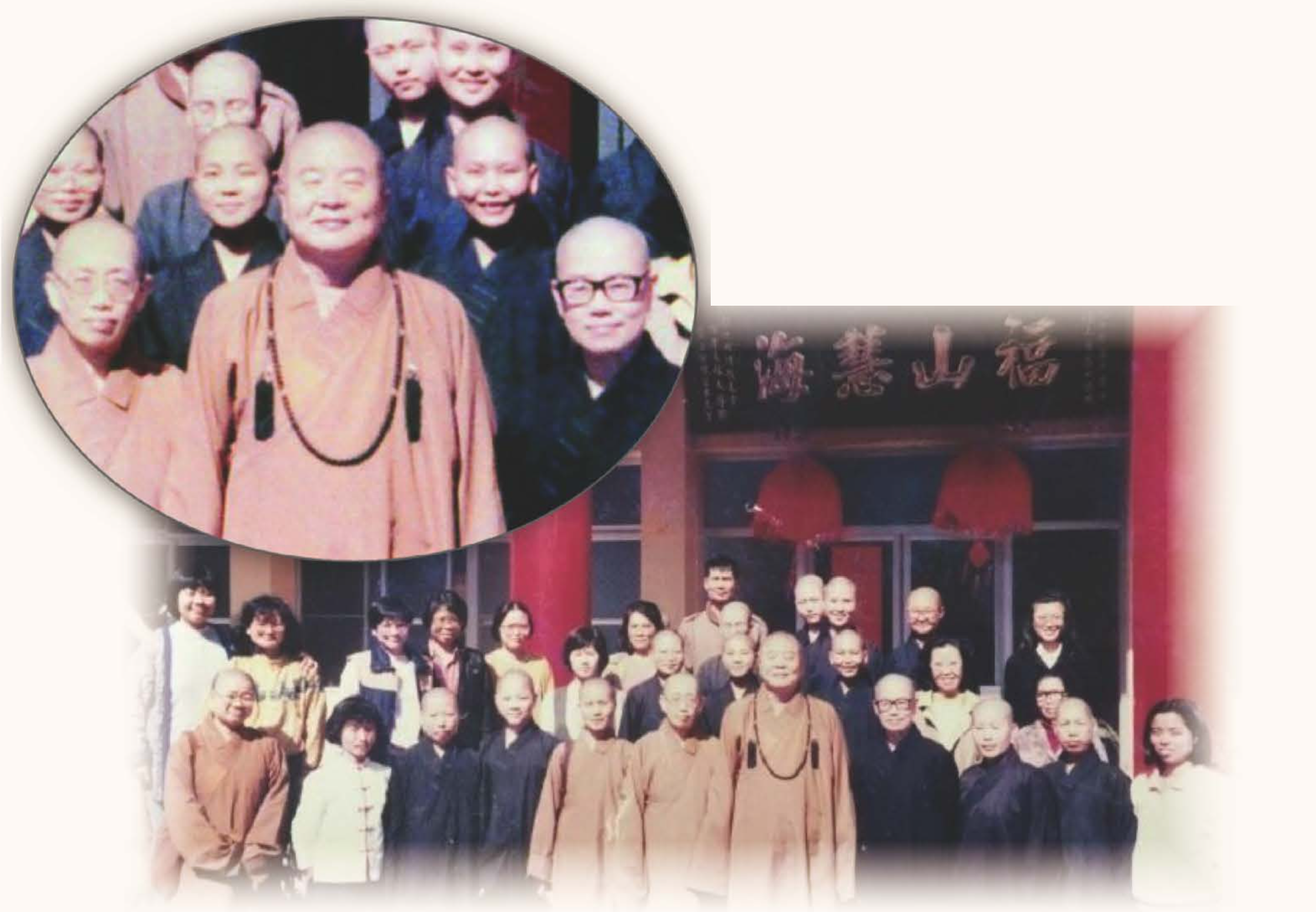
Venerable Master Hsing Yun with the Chinese edition editorial team, c. 1980
Venerable Master Hsing Yun, Ven. Tzu Hui (FGS Buddhist Canon Committee Member), Ven. Tzu Yi (Editor-in-Chief of the Chinese Edition), and the editorial team of the Fo Guang Dictionary of Buddhism Chinese Edition at Fo Guang Shan Fushan Temple in Changhua, Taiwan, c. 1980.

English Edition Project Directors

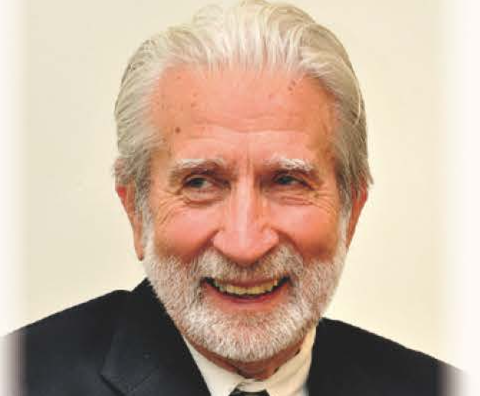
Dr. Lewis R. Lancaster
Executive Academic AdvisorDr. Lewis R. LancasterProf. Emeritus, Dept. of East Asian Languages, UC Berkeley
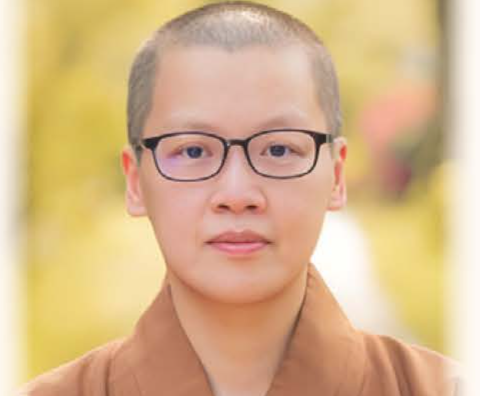
Ven. Miao Guang
English Edition Editor-in-ChiefVen. Miao GuangDeputy Chancellor, Fo Guang Shan Institute of Humanistic Buddhism

Timeline of the Chinese & English Editions
1970sThe idea takes rootLay Buddhists and monastics recognize the need for a comprehensive, readable dictionary.
1977
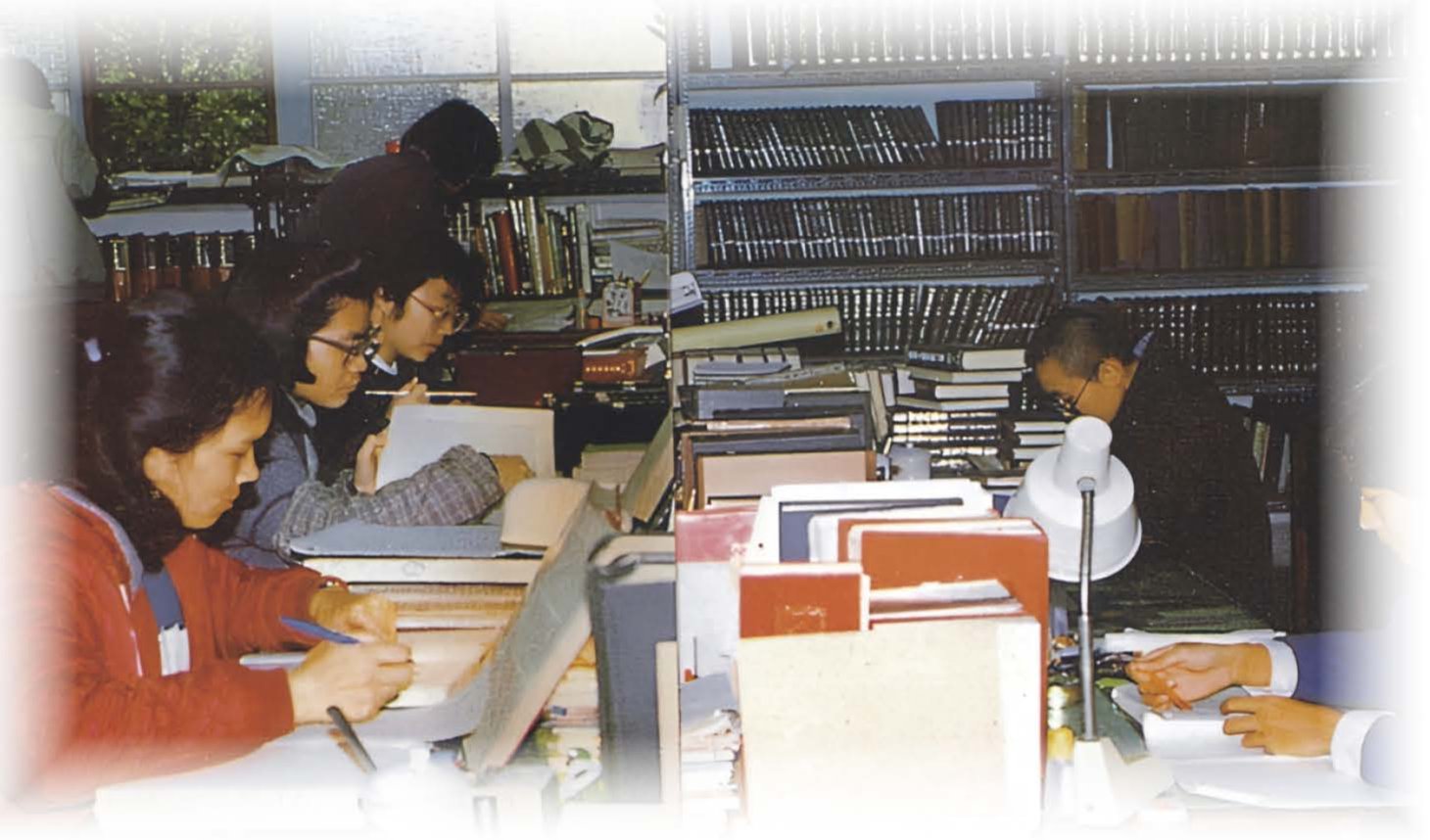
Editors compiling the dictionary
Compilation beginsThe Fo Guang Shan Buddhist Canon Committee is established.
1988
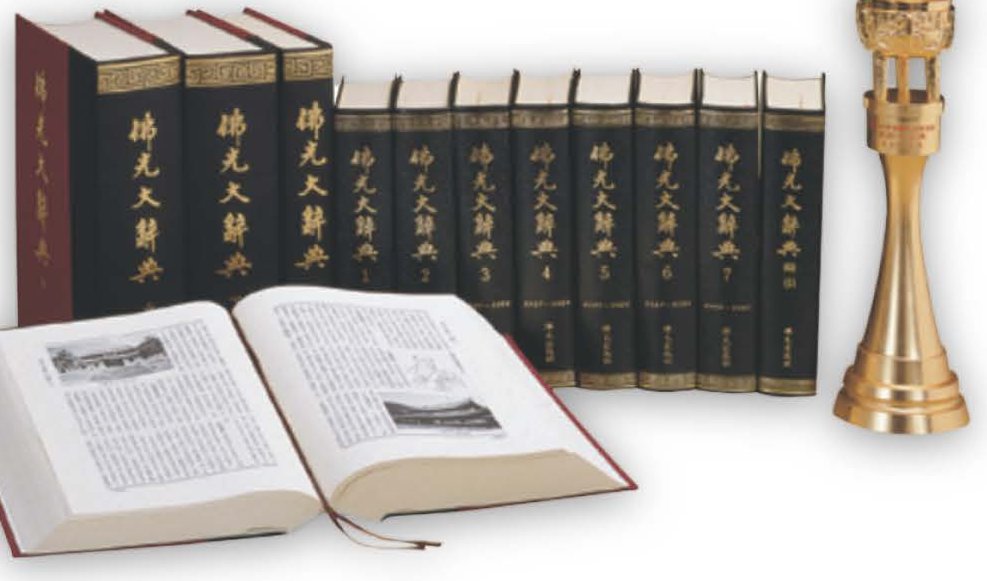
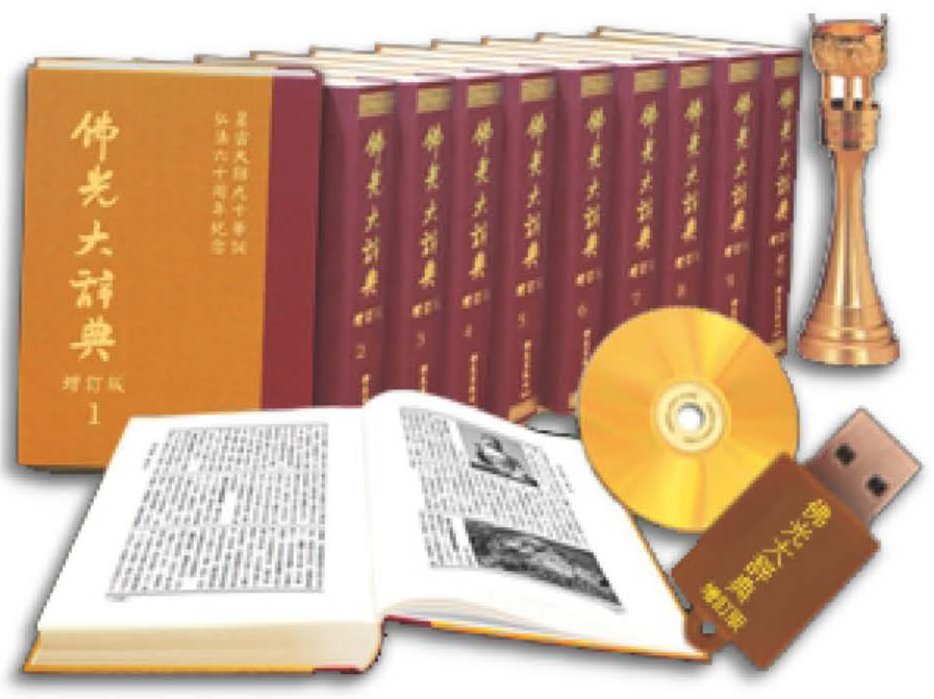
First Chinese edition, eight volumes
First Chinese edition published22,608 entries, 7 million Chinese characters, across eight volumes.
1989Golden Tripod AwardThe dictionary receives the highest distinction for publishing in Taiwan.
1997
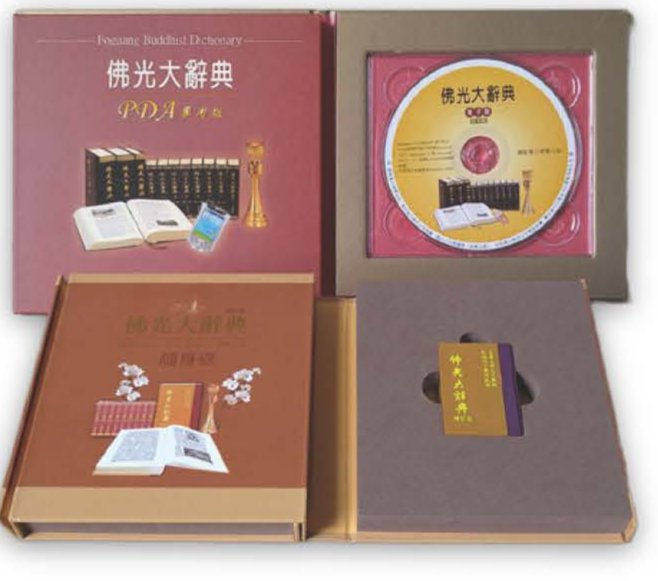
CD-ROM edition box set
CD-ROM editionThe dictionary is digitized and published as a CD-ROM edition.
2014
Expanded Chinese edition, ten volumes
Expanded Chinese editionExpanded to 32,000+ entries, 10 million Chinese characters across ten volumes.
2014
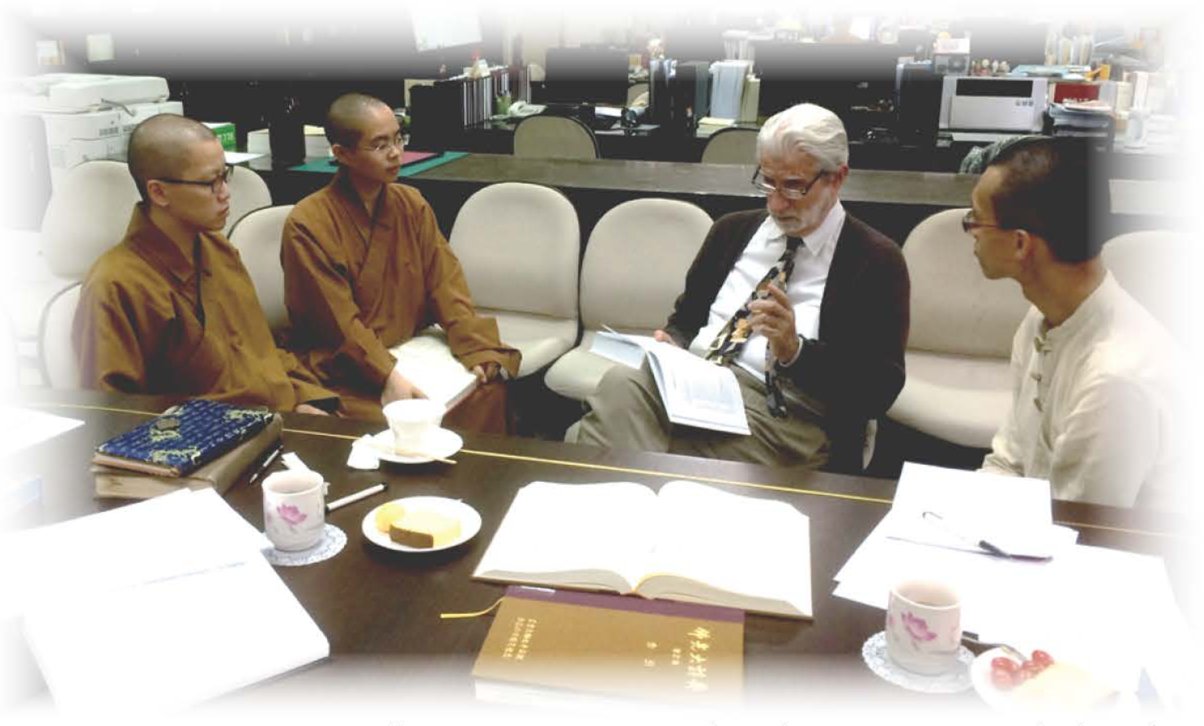
First strategic planning meeting, Sept. 2014
English translation launched26,000+ pages of reference material compiled and digitized. First strategic planning meeting held Sept. 2014 with Dr. Lewis Lancaster, Ven. Miao Guang, and Ven. Zhi Yue.
2026
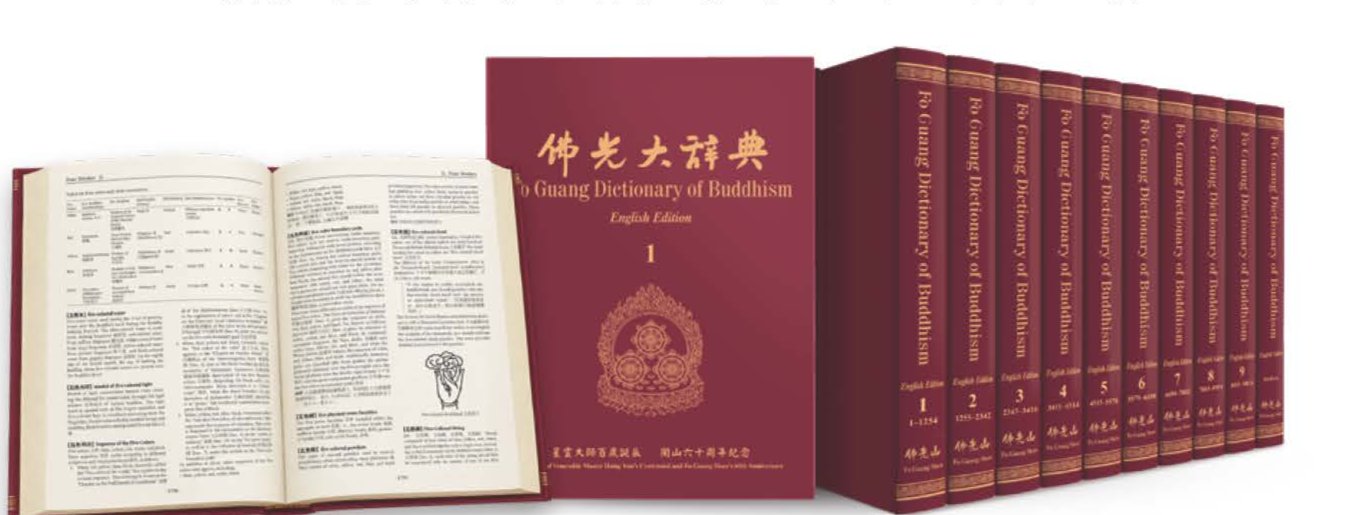
English edition, ten volumes
English & digital Chinese–English editions publishedThe complete dictionary, available to the world for the first time.
2026–FoGuang AIThe dictionary dataset will be integrated into FoGuang AI, a domain-specific model trained on Chinese Buddhist texts and the works of Venerable Master Hsing Yun.

Scholarly Precision in Accessible Language

Source-Transparent Translation

In an era of AI-generated content, source integrity matters more than ever. The English edition preserves the Chinese original as a historical document.

Canonical Definitions

Entries draw directly from canonical sources, with passages quoted from the Taishō and other editions to support each definition. Where the source texts themselves contain discrepancies, the digital edition contains footnotes to document the issue.

Chinese & English Full-Text Digital Search

The digital edition supports full-text search across all 32,000+ entries, cross-referencing, and term comparison. Whether used as a first point of reference or as a research tool for advanced study, the platform meets readers where they are.

What’s Inside

32,000+ entries across categories, including:

語彙TerminologyTechnical vocabulary, philosophical concepts, and doctrinal terms across all major schools
典籍TextsSūtras, vinaya, treatises, commentaries, verses, and literary expressions from the canon
人物PeopleHistorical and contemporary figures, patriarchs, scholars, and eminent monastics
宗派Schools & SectsDoctrinal lineages across India, China, Tibet, Korea, Japan, and Southeast Asia
寺塔Monasteries & PagodasTemples, pagodas, pilgrimage sites, and historically significant locations
儀軌RitualsCeremonial practices, monastic regulations, liturgical objects, and material culture
藝術ArtsSculpture, painting, iconography, artifacts, and cultural heritage
用語ExpressionsSayings, verses, and idioms across Buddhist traditions

Anatomy of an Entry: Designed for Study and Research

Tap a number to highlight that part of the sample entry.

  1. 1
    Headword
    Chinese term with English technical equivalent
  2. 2
    Alternative Terms & Language Equivalents
    Sanskrit, Pāli, and other equivalent terms.
  3. 3
    Definition
    Concise definition, followed by detailed explanations across relevant schools and traditions
  4. 4
    Canonical Citation
    Includes Taishō numbers (volume, page, column, line), verified against the Buddhist canon
  5. 5
    Canonical Quote
    Quotes from the Buddhist canon, presented in both Chinese and English
  6. 6
    Reference Sources
    Relevant sūtras, treatises, scholarly works, as well as related entries for comparative study
1【底沙佛】Tiṣya Buddha
2 [alt. 底砂佛, 帝沙佛, 提沙佛, 補砂佛, 弗沙佛] (Skt. Tisya; P. Tissa).
3Buddha whom Śākyamuni encountered in a previous life, during his cultivation of the marks and characteristics of a buddha over one hundred kalpas.
4 According to the Abhidharmakośabhāṣya 俱舍論 (fasc. 18), after Śākyamuni completed three incalculable kalpas of practice and was vigorously cultivating the marks and characteristics for one hundred kalpas, he encountered Tiṣya Buddha seated in a jeweled niche absorbed in the fire element samādhi 火界定. Seeing Tiṣya’s extraordinary radiance, Śākyamuni gazed upon him with utmost sincerity, standing on one foot for seven days and seven nights without fatigue. With a pure mind, he praised Tiṣya Buddha with this excellent gāthā (T 29.95b21–22) :
5“In this realm of heaven and earth, in the chamber of great learning, / In divine palaces and heavenly abodes throughout the ten directions, there is none. / Great man, ox king, and great śramaṇa, / Searching through lands, mountains, and forests—nowhere is there his equal.”
「天地此界多聞室,逝宮天處十方無,丈夫牛王大沙門,尋地山林遍無等。」
Through this act of reverence, Śākyamuni transcended nine kalpas and achieved perfect enlightenment in ninety-one kalpas instead of one hundred.
6REF T.190[4] 佛本行集經卷四, T.1509[4] 大智度論卷四, T.1788[9] 金光明最勝王經疏卷九, 玄應音義卷二十五

Complete with 3,000+ Tables, Figures, and Illustrations

7

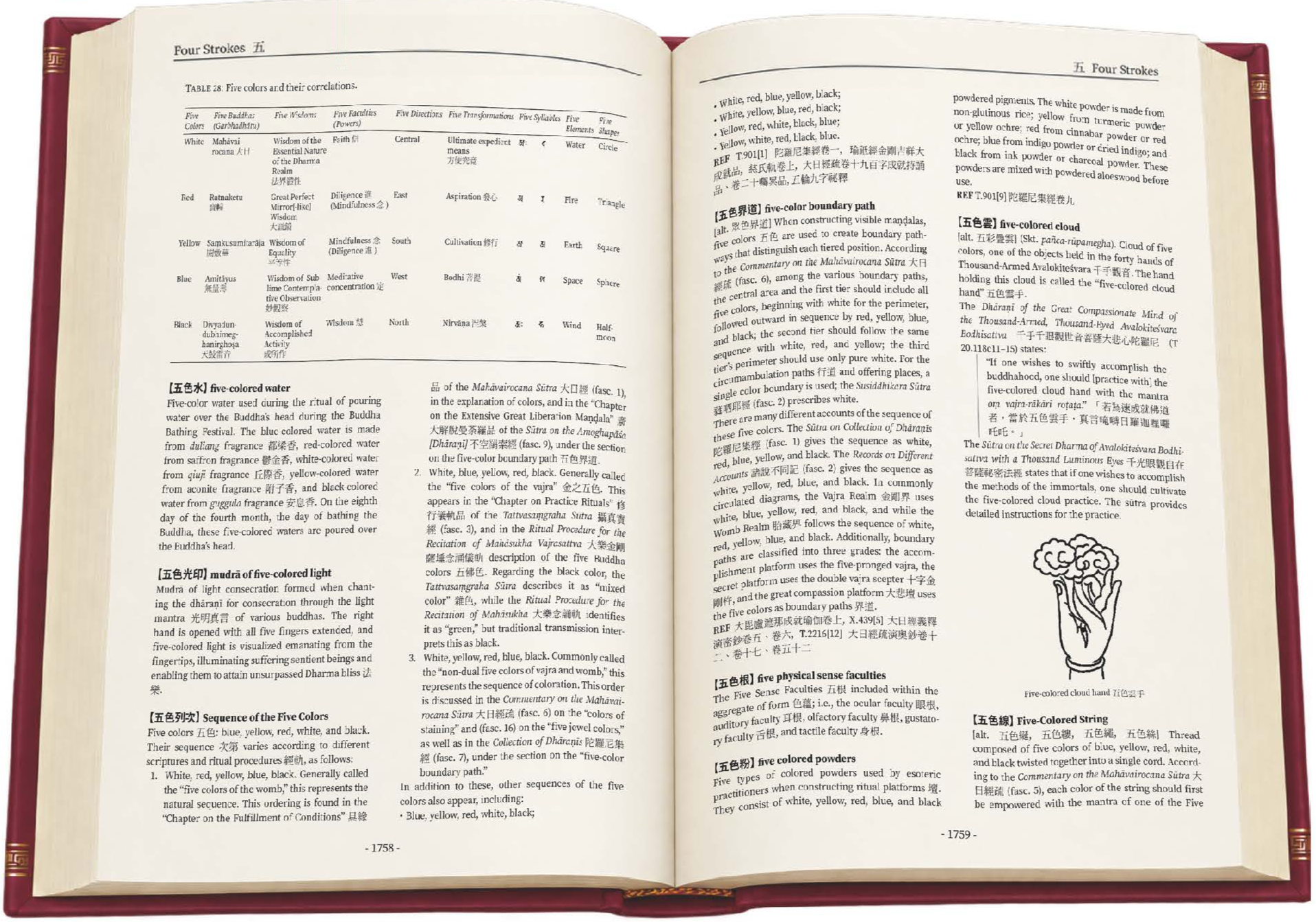
Tables

Open dictionary spread showing a table of the five colors and their correlations
8

Figures

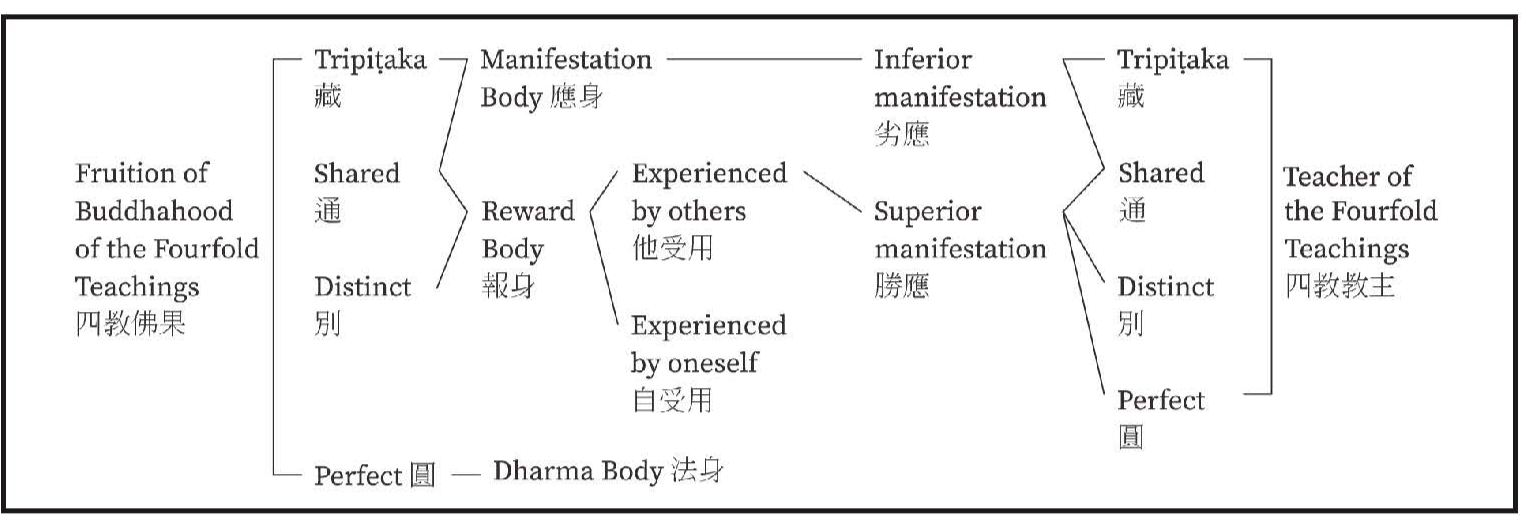
Figure 58 diagram
Entry:
Teacher of the Distinct Teaching 別教教主
Figure 58:
A Buddha’s body that integrates the perspectives of the Fourfold Teachings
9

Illustrations

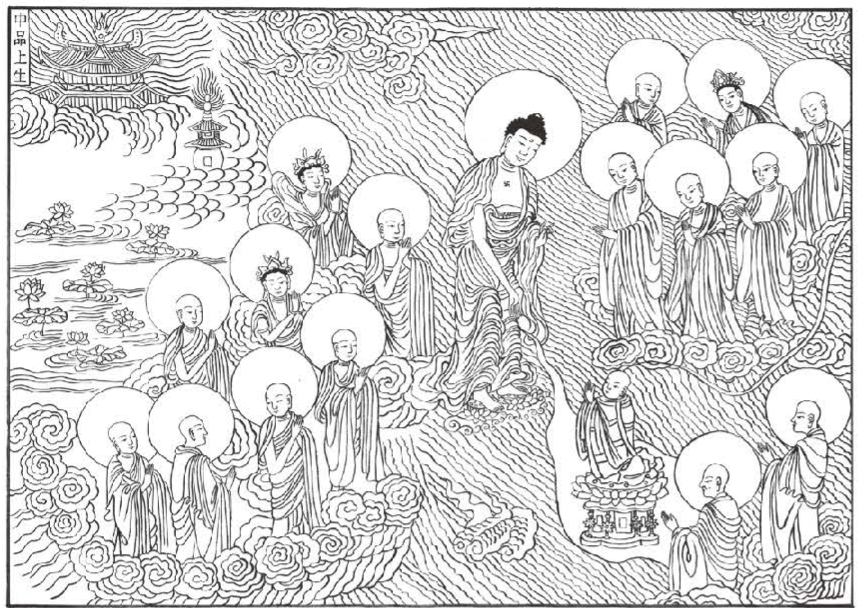
Nine Grades of Rebirth
Nine Grades of Rebirth: Highest level of the middle grade [of rebirth] 九品往生:中品上生
Category: Terminology
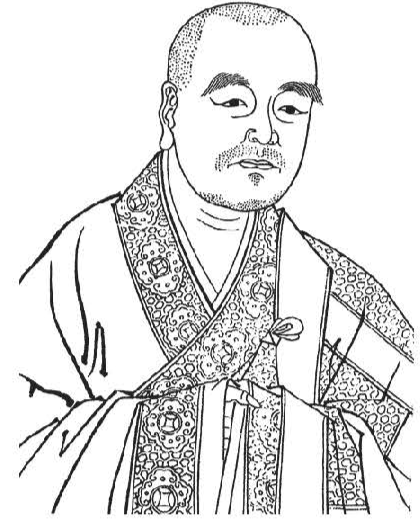
Kang Senghui
Kang Senghui 康僧會
Category: People
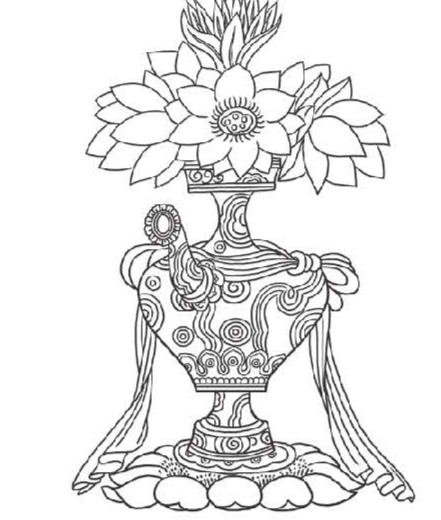
Kalaśa
Kalaśa (precious vase) 迦羅奢(寶瓶)
Category: Artifacts
Sixi Zifu Canon
Sixi Zifu Canon 思溪資福藏
Category: Texts
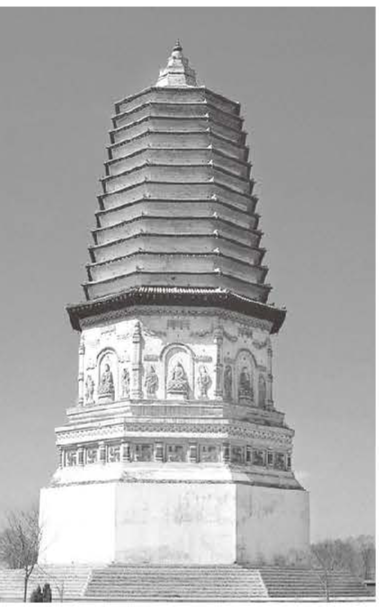
Daming Pagoda
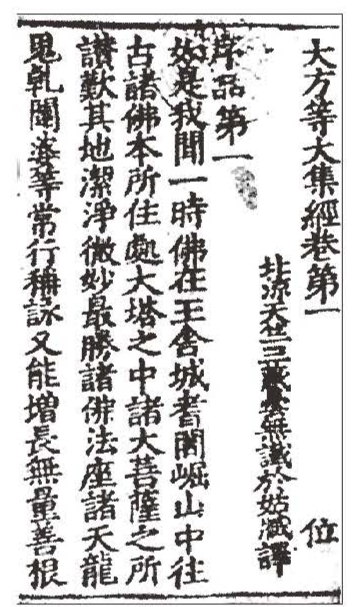
Daming Pagoda 大明塔
Category: Monasteries & Pagodas

Book Orders & Global Book Gifting Initiative

The Fo Guang Dictionary of Buddhism English Edition is available for purchase in Taiwan and internationally. Our Global Book Gifting Initiative for Top Universities & National Libraries also aims to make this invaluable resource accessible to eligible universities and libraries worldwide.

Contact Us

No. 153, Xingtian Rd, Dashu District, Kaohsiung City, Taiwan 840
Tel:886-7-656-1921 (#2461-2468)
info@foguangdictionary.org
Copyright © Fo Guang Dictionary of Buddhism (FGDB) 佛光大辭典
All Rights Reserved. Fo Guang Shan Monastery 佛光山
Last modified: